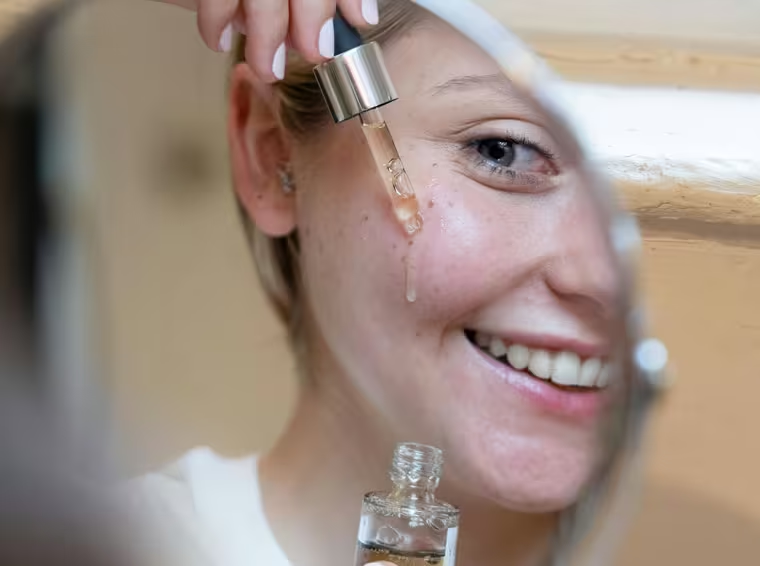


Ageing is a natural part of life, but the way we care for our bodies can significantly influence how we look and feel over the years. Healthy, youthful skin and a fit body are not achieved through expensive treatments alone. Instead, they result from a combination of balanced nutrition, consistent skincare, regular exercise, and healthy daily habits.
Many people focus solely on anti-ageing creams or restrictive weight loss plans, expecting dramatic changes within weeks. However, genuine and long-lasting improvements come from addressing the body’s needs both internally and externally. By understanding the connection between skin health and overall wellness, it becomes easier to create a sustainable routine that supports graceful ageing and long-term vitality.
Understanding the Ageing Process
As we age, the body naturally produces less collagen, elastin, and hyaluronic acid. These essential components are responsible for keeping the skin firm, smooth, and hydrated. At the same time, metabolism gradually slows down, making weight management more challenging than it was during younger years.
External factors such as ultraviolet radiation, pollution, smoking, poor sleep, stress, and unhealthy eating habits can accelerate both skin ageing and weight gain. These lifestyle choices contribute to inflammation, oxidative stress, and hormonal imbalance, which affect nearly every organ in the body.
Although ageing cannot be stopped, adopting healthy habits can slow many visible signs while improving overall health and quality of life.
Nutrition: The Foundation of Beauty
Healthy skin begins with proper nutrition. Every skin cell relies on vitamins, minerals, healthy fats, antioxidants, and protein to function effectively.
Vitamin C supports collagen synthesis and helps protect skin from free radical damage. Vitamin A promotes healthy skin cell turnover, while vitamin E contributes to maintaining the skin’s protective barrier. Zinc supports healing and may help regulate oil production, making it beneficial for maintaining balanced skin.
Healthy fats found in salmon, walnuts, flaxseeds, olive oil, and avocados nourish skin from within while supporting hormone production. Protein-rich foods such as lean poultry, fish, eggs, beans, and dairy products provide the amino acids required to maintain collagen and muscle tissue.
A diet based primarily on whole foods not only supports beautiful skin but also encourages sustainable weight loss by increasing satiety and stabilising blood sugar levels.
Why Weight Management Supports Youthful Appearance
Maintaining a healthy body weight contributes to overall wellness far beyond aesthetics. Excess body fat may increase inflammation throughout the body, potentially affecting skin quality, circulation, and energy levels.
However, losing weight too quickly can also negatively impact appearance. Crash diets often result in muscle loss, nutritional deficiencies, and decreased skin elasticity, sometimes making individuals appear older rather than younger.
Gradual weight loss supported by balanced nutrition and regular exercise allows the body to preserve lean muscle while reducing excess fat. This approach helps maintain a healthy facial structure, supports skin firmness, and promotes long-term health.
The Importance of Daily Sun Protection
Among all skincare products available today, sunscreen remains the most effective anti-ageing investment.
Ultraviolet rays penetrate the skin even on cloudy days, damaging collagen fibres and contributing to wrinkles, pigmentation, and loss of elasticity. Consistent use of broad-spectrum SPF significantly reduces cumulative sun damage throughout life.
Combining sunscreen with protective clothing, sunglasses, and shade during peak sunlight hours provides even greater protection for long-term skin health.
Read more: Why Collagen Matters for Healthy Skin and Weight Management
Building an Effective Anti-Ageing Skincare Routine
A successful skincare routine does not require dozens of products. Instead, it should focus on ingredients supported by scientific research and used consistently.
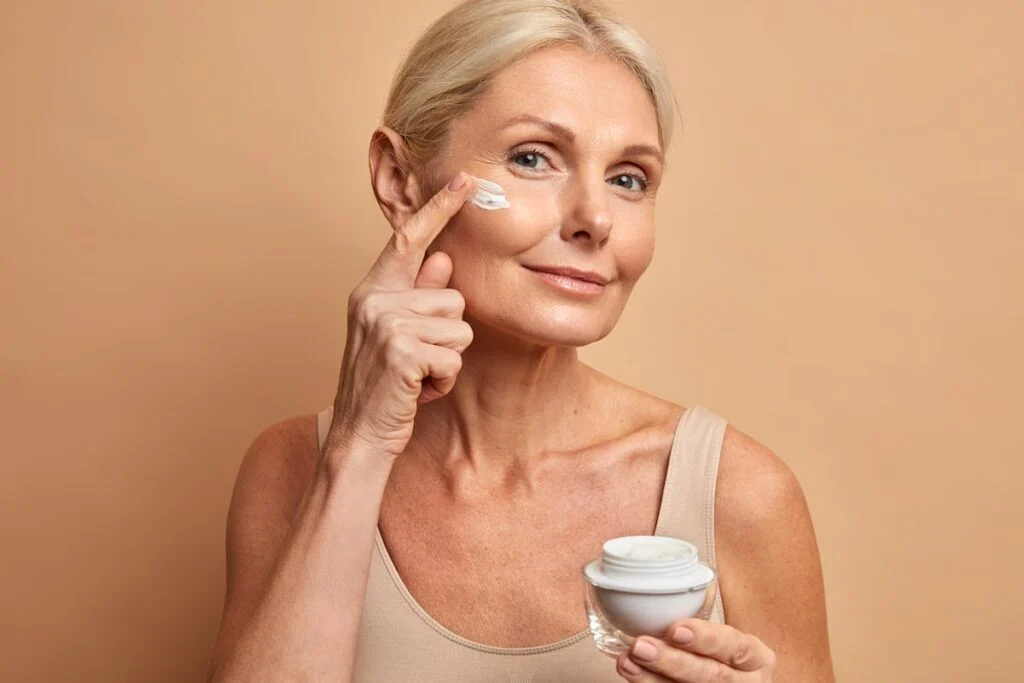
Begin with a gentle cleanser that removes impurities while protecting the skin barrier. Follow with a moisturiser containing hydrating ingredients such as hyaluronic acid or ceramides.
Vitamin C serum applied in the morning helps defend against environmental damage while brightening the complexion. In the evening, retinol or retinal products encourage healthy skin renewal and stimulate collagen production over time.
Peptides and niacinamide may further improve skin texture, strengthen the barrier, and reduce visible signs of ageing. Introducing active ingredients gradually helps minimise irritation while allowing the skin to adapt.
Exercise Benefits More Than Your Body
Regular physical activity offers remarkable anti-ageing benefits beyond calorie burning.
Exercise improves blood circulation, delivering oxygen and nutrients to skin cells while supporting natural repair processes. Increased circulation contributes to a healthier complexion and may improve skin radiance.
Strength training becomes increasingly important with age because it preserves muscle mass, supports metabolism, and enhances posture. Cardiovascular exercise improves heart health, endurance, and calorie expenditure, making weight management easier.
Activities such as brisk walking, swimming, cycling, yoga, and resistance training all contribute to both healthy ageing and overall wellness.
Sleep and Stress Management
Sleep is one of the body’s most important recovery periods. During deep sleep, growth hormone stimulates tissue repair, collagen production, and cellular regeneration.
Adults should aim for seven to nine hours of quality sleep each night to support healthy skin and balanced metabolism. Inadequate sleep may contribute to increased cortisol levels, dull complexion, dark circles, and stronger cravings for unhealthy foods.
Managing stress is equally important. Chronic stress increases inflammation and hormonal imbalance, potentially affecting both skin condition and body weight. Meditation, breathing exercises, reading, spending time outdoors, or engaging in enjoyable hobbies can help lower stress levels naturally.
Hydration and Skin Elasticity
Proper hydration supports nearly every biological function in the body. While drinking water is not a miracle cure for wrinkles, adequate hydration allows skin cells to function optimally and helps maintain elasticity.
Moisturising externally and hydrating internally work together to improve skin comfort and appearance. Foods with high water content, including cucumbers, watermelon, oranges, and leafy greens, also contribute to daily hydration.
Read more: 10 Daily Habits That Naturally Improve Skin Health and Support Weight Loss
Long-Term Success Comes from Consistency
One of the greatest misconceptions about beauty and weight loss is that dramatic changes happen overnight. In reality, healthy skin renews gradually, and sustainable weight management develops through months and years of consistent habits.
Choosing nutritious meals, exercising regularly, protecting the skin from sun damage, following a simple skincare routine, sleeping well, and managing stress create cumulative benefits that become increasingly noticeable over time.
Rather than striving for perfection, focusing on steady progress leads to healthier habits that can be maintained for life.
Conclusion
Anti-ageing skincare and healthy weight management are built on the same foundation: nourishing the body, protecting the skin, staying physically active, and maintaining consistent daily routines. While ageing is inevitable, its visible effects can be influenced by thoughtful lifestyle choices.
By combining balanced nutrition, effective skincare, regular exercise, quality sleep, hydration, and stress management, you create the ideal conditions for radiant skin, improved confidence, and lifelong wellness. True beauty is not defined by age but by the healthy habits that support your body every single day