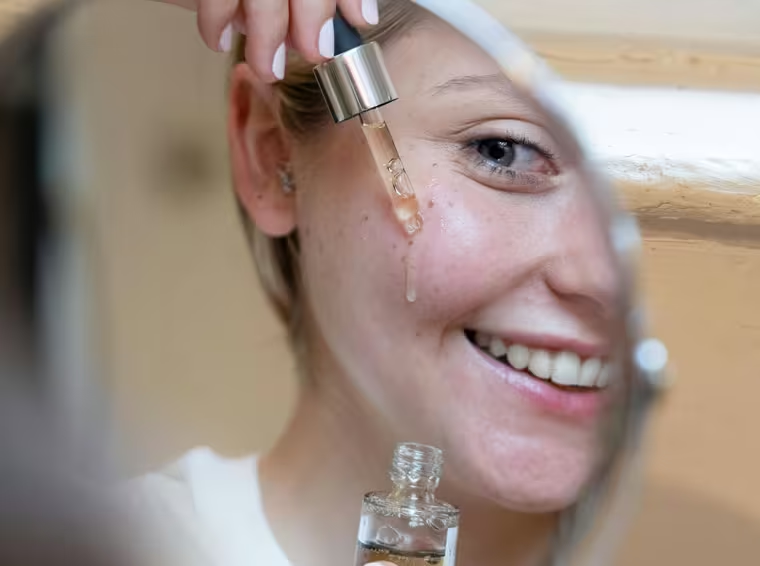


When it comes to skincare, most people focus on cleansers, serums, and moisturizers — yet one of the most powerful beauty treatments is completely free: sleep. Often called “beauty sleep” for good reason, quality rest is essential for maintaining radiant, youthful skin. Without enough rest, even the best skincare products can’t deliver their full potential. This article explores the science behind how sleep affects your skin and offers professional tips to help you wake up to a glowing complexion every morning.
The Role of Sleep in Achieving Healthy, Glowing Skin
1. The Science of Sleep and Skin Regeneration
Your body goes into repair mode while you sleep. During the deep stages of rest, the skin’s blood flow increases, collagen production rises, and damage from UV exposure or pollution is repaired. Essentially, nighttime is when your skin heals itself.
When you cut your sleep short, this natural repair process is disrupted. The result? Dullness, dryness, dark circles, and premature wrinkles. Research shows that adults who consistently get less than 6 hours of sleep per night show signs of aging faster than those who rest adequately.
A full 7–9 hours of quality sleep allows your skin to complete its regeneration cycle, leaving you with a refreshed, youthful glow.

2. How Lack of Sleep Affects Your Skin
Poor sleep doesn’t just make you feel tired — it shows on your face. Here are some visible effects of sleep deprivation:
-
Puffy eyes and dark circles: Sleep loss causes blood vessels under your eyes to dilate, leading to puffiness and discoloration.
-
Dull complexion: Without sufficient oxygen and circulation, your skin appears pale and lifeless.
-
Premature wrinkles: Cortisol (the stress hormone) increases with lack of sleep, breaking down collagen and elastin.
-
Increased acne: Sleep deprivation disrupts hormonal balance and triggers inflammation, worsening acne.
-
Loss of elasticity: Over time, chronic sleep deprivation accelerates skin sagging and fine lines.
Essentially, your pillow becomes your best anti-aging tool — but only if you actually use it right.
3. The Connection Between Sleep and Skin Barrier Health
Your skin barrier — the outermost layer — acts as a shield against pollutants, bacteria, and moisture loss. During sleep, this barrier strengthens and restores itself. Inadequate rest weakens the barrier, making your skin more sensitive and prone to irritation.
If you wake up with redness, dryness, or itchiness, it might not be your moisturizer’s fault — it could be your sleep quality. A consistent sleep routine helps maintain your skin’s natural moisture balance and enhances its ability to retain hydration.
4. Best Bedtime Skincare Practices for Glowing Skin
Sleep is powerful, but pairing it with the right nighttime skincare routine can amplify its effects. Follow these professional tips:
-
Cleanse before bed: Always remove makeup, sunscreen, and impurities to allow your skin to breathe and repair overnight.
-
Apply a nourishing moisturizer: Choose products with ingredients like hyaluronic acid, peptides, and ceramides to restore hydration.
-
Use overnight treatments: A night cream or sleeping mask can help seal in moisture and deliver nutrients while you rest.
-
Avoid heavy products: Thick or occlusive creams can clog pores and prevent your skin from breathing during the night.
-
Change pillowcases frequently: Dirty pillowcases can harbor bacteria and oil that lead to breakouts. Use clean, soft fabrics like silk or cotton.
5. Optimize Your Sleep Environment for Better Skin
Your bedroom setup plays a major role in how well you sleep — and consequently, how good your skin looks. Consider these improvements:
-
Keep the room cool: Skin regenerates best in a slightly cooler environment (around 20°C).
-
Sleep on your back: This position prevents creases and pressure lines that can turn into wrinkles over time.
-
Use a humidifier: It keeps the air moist, preventing your skin from drying out overnight.
-
Dim the lights: Exposure to blue light before bed (from phones or computers) suppresses melatonin, the hormone that helps you sleep.
Creating a calm, dark, and quiet environment signals your body that it’s time to rest and repair.
6. Nutrition and Hydration Before Bed
Your nighttime habits influence your skin as much as your products. Eating the right foods and staying hydrated supports your skin’s recovery process.
-
Drink water throughout the evening to prevent dehydration, but avoid excessive amounts right before bed to reduce interruptions.
-
Avoid caffeine and alcohol after dinner — they disrupt sleep cycles and dry out the skin.
-
Eat antioxidant-rich foods such as berries, nuts, and leafy greens to reduce inflammation.
-
Include omega-3 fatty acids (found in salmon, flaxseeds, and walnuts) to strengthen your skin barrier.
A healthy diet complements your sleep routine, making your skin glow from within.

7. Managing Stress for Better Sleep and Skin
Stress and poor sleep form a vicious cycle — one worsens the other, leading to tired-looking, stressed-out skin. High cortisol levels trigger inflammation, breakouts, and dullness.
Incorporate relaxation techniques into your nightly routine:
-
Practice deep breathing or meditation.
-
Do light stretching or yoga.
-
Listen to calming music or use aromatherapy with lavender or chamomile.
Reducing stress before bed improves both sleep quality and skin clarity, giving you a natural, well-rested glow.
8. Consistency Is the Key to Radiant Skin
The benefits of beauty sleep don’t appear overnight — they build up over time. Make it a habit to prioritize rest as part of your skincare routine.
Go to bed at the same time every night, minimize screen exposure before sleeping, and treat your bedroom as a sanctuary for rest. Combined with a simple skincare routine and a healthy lifestyle, consistent sleep can transform your skin’s texture, tone, and luminosity.
Sleep is not a luxury — it’s a vital part of your beauty routine. It’s the time when your body and skin regenerate, heal, and prepare for the next day. No cream or serum can substitute the deep restorative power of quality rest.
By improving your sleep habits, nourishing your body, and caring for your skin before bed, you can truly achieve that natural, glowing look — one that no makeup can replicate. Remember, the secret to timeless beauty may be as simple as getting a good night’s sleep.