

They say “beauty sleep” for a reason — and it’s not just a cliché. The hours you spend sleeping are when your body and skin repair, restore, and rejuvenate themselves. No amount of expensive skincare products can replace the natural healing process that occurs during a good night’s rest. In today’s fast-paced lifestyle, where late nights and stress are common, quality sleep has become a luxury — but it’s also one of the most effective, natural beauty treatments available. In this article, we’ll explore how sleep impacts your skin and appearance, the science behind it, and practical tips to help you achieve true beauty from within.
The Power of Beauty Sleep — How Rest Transforms Your Skin and Mind
1. What Happens to Your Skin While You Sleep
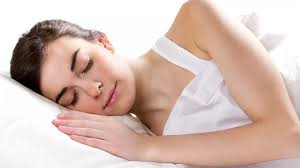
During the day, your skin works as a shield against pollution, UV rays, and stress. At night, that same skin switches to “recovery mode.” While you sleep, cell turnover increases, allowing damaged cells to be repaired and replaced with new, healthy ones. Collagen production also peaks during deep sleep — this vital protein keeps your skin firm and prevents fine lines and sagging.
Lack of sleep disrupts this regeneration process, leading to dullness, dark circles, and accelerated aging. Studies show that people who sleep less than 6 hours regularly have higher levels of the stress hormone cortisol, which breaks down collagen and increases inflammation. Simply put, sleep is your body’s most effective anti-aging treatment.
2. The Connection Between Sleep and Skin Hydration
When you don’t sleep enough, your body’s hydration balance is thrown off. This means your skin can’t retain moisture properly, resulting in dryness, redness, and uneven texture. On the other hand, a well-rested night helps the skin rebuild its moisture barrier and absorb nutrients from your skincare products more efficiently.
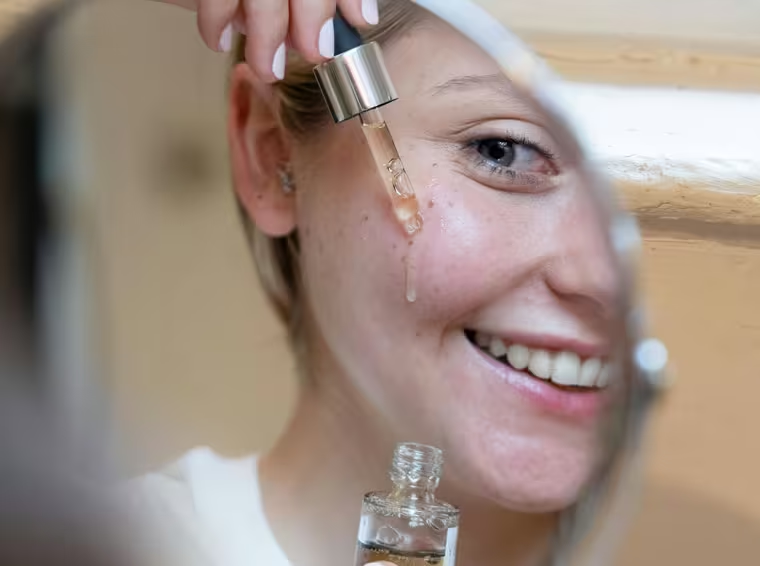
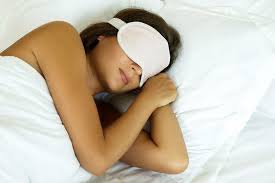
To enhance this overnight hydration, apply a nourishing night cream or sleeping mask before bed. Look for ingredients like hyaluronic acid, ceramides, or niacinamide — they help restore water levels and strengthen the skin barrier while you sleep.
3. Sleep and Your Eyes: Say Goodbye to Dark Circles
One of the first areas to reveal sleep deprivation is the delicate skin around the eyes. Poor sleep causes blood vessels to dilate and fluid to accumulate, creating puffiness and dark circles. To prevent this, aim for 7–8 hours of sleep each night.
You can also enhance the effect by using eye creams containing caffeine or vitamin K to improve circulation. Sleeping with your head slightly elevated helps prevent fluid buildup under the eyes. Consistency is key — after a week of proper rest, your eyes will appear brighter and more refreshed.
4. The Psychological Impact of Sleep on Beauty
Beauty isn’t just about appearance — it’s deeply connected to mental well-being. When you’re well-rested, your mood improves, your stress levels drop, and your facial expressions become more relaxed and positive. Sleep deprivation, on the other hand, leads to tired eyes, a dull complexion, and even increased cravings for sugar, which can worsen acne and inflammation.
Getting enough rest allows your brain to release serotonin and melatonin — hormones that not only regulate your mood but also influence how radiant and youthful your skin looks.
5. Building the Perfect Nighttime Routine
To make the most of your beauty sleep, your nighttime routine should prepare both your skin and mind for rest. Here’s a simple yet effective structure:
-
Cleanse to remove makeup, dirt, and pollutants.
-
Tone to balance and prep the skin.
-
Apply serum or treatment (such as retinol or antioxidant serum).
-
Moisturize to seal in hydration.
-
Use a sleeping mask 2–3 times a week for extra nourishment.
Don’t forget your body care — a light body lotion or hand cream can keep your skin soft and supple overnight.
6. Tips to Improve Sleep Quality for Better Skin
Good sleep doesn’t just happen — it requires intention. Here are science-backed strategies to help you sleep better:
-
Stick to a schedule: Go to bed and wake up at the same time daily, even on weekends.
-
Limit screen time: Blue light from phones and computers suppresses melatonin production, delaying sleep. Turn off devices at least 30 minutes before bed.
-
Create a relaxing environment: Keep your bedroom cool, dark, and quiet. Use silk pillowcases — they’re gentle on the skin and help prevent wrinkles.
-
Avoid caffeine and heavy meals before bed: These can disrupt your sleep cycle.
-
Practice relaxation techniques: Meditation, deep breathing, or gentle stretching can calm your mind and signal your body it’s time to rest.
7. The Role of Nighttime Skincare Products
Your skin’s absorption rate increases while you sleep, meaning nighttime is the best time for repair-focused products. Consider including:
-
Retinol for boosting cell renewal and collagen.
-
Antioxidants (Vitamin C, E) to fight free radicals accumulated during the day.
-
Peptides to improve elasticity.
-
Overnight masks to deeply hydrate and lock in moisture.
Choose products suited to your skin type and avoid using too many actives at once to prevent irritation.
8. How Sleep Affects Your Hair and Nails
The benefits of sleep extend beyond your skin. During deep sleep, blood flow increases, supplying essential nutrients to your hair follicles and nail beds. This promotes healthy growth and prevents brittleness. Chronic sleep deprivation, on the other hand, can lead to hair thinning and slower nail growth due to reduced circulation and increased stress hormones.
Make sure to sleep on clean pillowcases and avoid going to bed with wet hair, as this can cause breakage and scalp irritation.
9. The Ideal Sleep Duration and Position for Radiant Skin
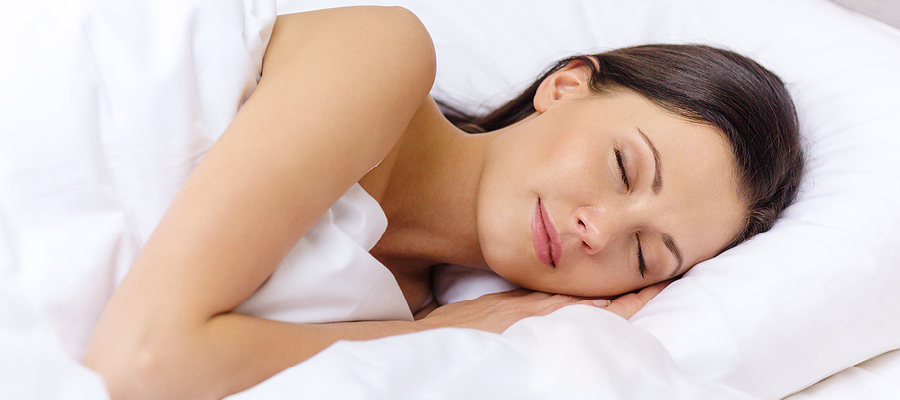
Experts recommend 7–9 hours of sleep per night for adults. Less than six hours can significantly impact collagen production and skin elasticity. Additionally, your sleeping position matters — sleeping face-down can cause wrinkles and puffiness due to constant pressure on the skin. The best option? Sleeping on your back with your head slightly elevated helps minimize swelling and keeps your skin crease-free.
Beauty sleep is not a myth — it’s a science-backed, natural way to enhance your skin’s health and glow. While serums and treatments play an important role, restful sleep remains the foundation of true beauty. By maintaining consistent sleep habits, adopting a soothing nighttime skincare routine, and giving your body time to recover, you’ll wake up each morning looking refreshed, energized, and effortlessly radiant.
Investing in your sleep is investing in your beauty — and it’s one luxury that costs nothing but benefits everything.