


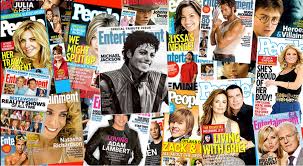
In today’s interconnected world, celebrity culture has become one of the most dominant forces shaping public opinion, consumer behavior, and even politics. While fame has always existed, the digital age has elevated it to unprecedented levels. Celebrities are no longer confined to actors, musicians, or athletes; influencers, reality television stars, and content creators now share the spotlight. This transformation has blurred the lines between entertainment and everyday life, making celebrity culture a defining feature of modern society.
The Influence of Celebrity Culture on Modern Society
The Evolution of Fame
Traditionally, celebrities were individuals who excelled in specific fields such as cinema, sports, or music. Fame was the result of years of dedication, public recognition, and industry approval. Today, the path to celebrity status has diversified. Social media platforms like Instagram, TikTok, and YouTube allow ordinary individuals to achieve global recognition overnight. Viral content can propel someone into stardom within days, demonstrating how accessible fame has become in the digital era.
Reality television further accelerated this shift by creating celebrities whose fame often came not from talent but from personality, drama, or relatability. This new model of fame has democratized celebrity culture, making it more inclusive but also more fleeting.
Fashion, Beauty, and Consumer Influence
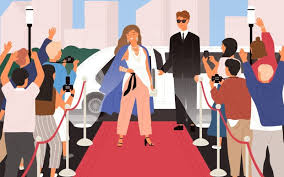
One of the most visible impacts of celebrity culture lies in fashion and beauty trends. Red carpet appearances, paparazzi photos, and Instagram posts often dictate global fashion choices. Fans look to celebrities for inspiration, whether it is a designer gown worn at an awards ceremony or a casual streetwear look.
Beauty culture has also been reshaped by celebrities. The rise of celebrity-owned beauty brands—such as Rihanna’s Fenty Beauty or Kylie Jenner’s cosmetics line—illustrates how personal branding directly translates into consumer influence. Products endorsed by celebrities often sell out within hours, and their recommendations can transform niche products into mainstream sensations.
Beyond products, lifestyle choices promoted by celebrities—such as diets, fitness regimens, and wellness practices—also influence public behavior. The aspirational quality of celebrity lifestyles fuels consumer desire and creates industries built around emulating them.
The Role of Social Media
Social media has redefined the relationship between celebrities and their audiences. In the past, fans consumed carefully curated images of celebrities through magazines or television interviews. Now, platforms like Instagram, Twitter, and TikTok provide direct, real-time access to celebrities’ lives. This transparency makes celebrities appear more approachable and relatable, strengthening fan loyalty.
However, the constant exposure also invites scrutiny. Every post, statement, or misstep can become a viral controversy. The pressures of maintaining an online presence have blurred the boundaries between personal life and public persona. For many celebrities, social media is both a powerful tool and a source of vulnerability.
Celebrity Activism and Cultural Influence
Beyond entertainment, celebrities often use their platforms to advocate for social and political causes. From climate change awareness to human rights campaigns, celebrities bring attention to issues that may otherwise receive limited exposure. For example, Leonardo DiCaprio’s environmental advocacy or Angelina Jolie’s humanitarian work demonstrates how celebrity influence can extend far beyond their professional careers.
Yet, this involvement is not without criticism. Some argue that celebrity activism risks oversimplifying complex issues or turning advocacy into a branding strategy. Nonetheless, the visibility that celebrities bring to global challenges highlights their role as cultural and political influencers.
The Dark Side of Celebrity Culture
Despite its allure, celebrity culture has drawbacks. The obsession with fame often creates unrealistic standards of beauty, success, and lifestyle, particularly affecting younger audiences. Constant exposure to “perfect” images can contribute to issues such as low self-esteem, anxiety, and body image concerns.
Additionally, the cycle of building up and tearing down celebrities is a recurring theme. Public fascination with scandals, controversies, and personal struggles reflects society’s contradictory relationship with fame—celebrating it while also reveling in its downfall.
The Future of Celebrity Culture
Looking ahead, celebrity culture is likely to become even more dynamic and multifaceted. The rise of virtual influencers—AI-generated personalities with massive online followings—signals a new phase in the evolution of fame. At the same time, micro-influencers with smaller but highly engaged audiences are gaining recognition, suggesting that authenticity may become more valued than mass appeal.
As technology continues to evolve, the boundaries between celebrities and their audiences will grow even thinner. Virtual reality and metaverse platforms may create entirely new forms of interaction, where fans can “meet” or engage with celebrities in immersive digital environments.
Conclusion
Celebrity culture is more than entertainment—it is a powerful social force that influences how people dress, what they buy, and even what they believe. While it brings opportunities for inspiration, creativity, and global advocacy, it also presents challenges related to mental health, authenticity, and ethical responsibility.
Ultimately, celebrity culture reflects society’s own values and desires. It is a mirror of the aspirations, insecurities, and collective imagination of modern life. Whether admired or criticized, its influence is undeniable, and its role in shaping contemporary society will only continue to grow.
More Stories from Entertainment

Entertainment Books & Music Celebrities Culture Entertainment News TV & Movies
Podcasts and the Future of Entertainment
Entertainment Books & Music Celebrities Culture Entertainment News TV & Movies
Video Games as the New Mainstream Entertainment
Books & Music Celebrities Culture Entertainment News TV & Movies
Dear School Administrators: Our Phones Are Lifelines, Not Just Distractions
Books & Music Celebrities Culture Entertainment News TV & Movies
Dear School Administrators: Our Phones Are Lifelines, Not Just Distractions
Books & Music Celebrities Culture Entertainment News TV & Movies