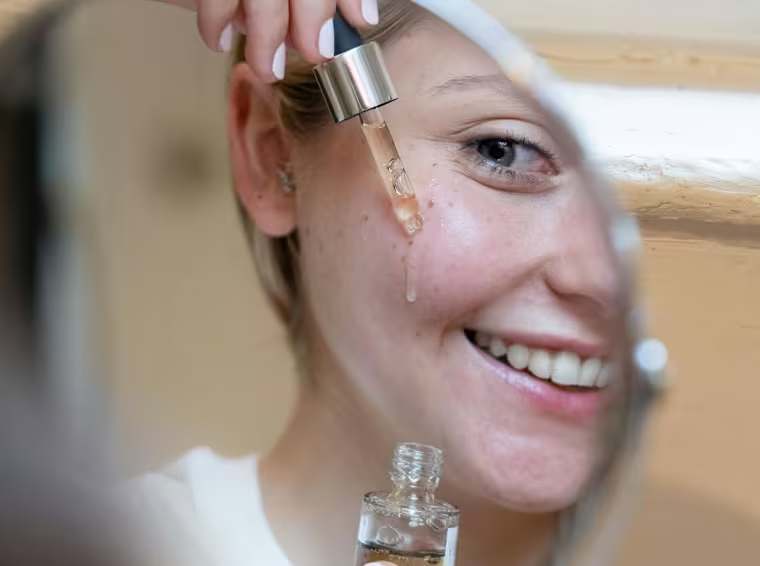


The beauty industry has experienced rapid growth in recent years, but with this growth comes an environmental cost. From excessive packaging waste to chemical-heavy formulations, many beauty practices negatively impact the planet. Fortunately, a shift toward sustainability is changing the way consumers and brands approach beauty. By making small, mindful changes in your routine, you can contribute to a greener future while still looking and feeling your best.
Sustainable Beauty Tips for an Eco-Friendly Routine
1. Why Sustainable Beauty Matters
Sustainability in beauty is about more than just protecting the environment—it’s also about creating healthier lifestyles. Traditional products often contain harsh chemicals that can harm both skin and ecosystems once washed down the drain. Packaging, especially single-use plastics, contributes to pollution, while unsustainable ingredient sourcing damages communities and biodiversity.
By adopting eco-friendly beauty habits, you are not only supporting your personal well-being but also reducing your ecological footprint. This movement is about conscious choices that benefit both people and the planet.

2. Choose Refillable and Minimal Packaging
One of the most visible issues in the beauty industry is packaging waste. Many products come in layers of plastic, cardboard, and decorative materials that end up in landfills.
Tips for improvement:
-
Opt for brands that offer refill stations or refillable containers.
-
Look for products packaged in glass or aluminum, which are more recyclable than plastic.
-
Avoid unnecessary packaging such as individually wrapped sheet masks or oversized boxes.
Minimalist packaging not only reduces waste but often looks sleek and modern, making it a win-win solution.
3. Support Ethical and Cruelty-Free Brands
Ethical sourcing and cruelty-free practices are vital aspects of sustainable beauty. Some ingredients, such as palm oil, contribute to deforestation, while others are harvested under unfair labor conditions.
How to make better choices:
-
Research brands that prioritize fair trade and transparent supply chains.
-
Look for certifications such as Leaping Bunny, Fair Trade Certified, or EcoCert.
-
Choose products made with plant-based or responsibly sourced ingredients.
By supporting ethical brands, you encourage the industry to adopt better practices that respect both workers and the environment.
4. Opt for Multi-Use and Long-Lasting Products
A cluttered routine with dozens of products not only overwhelms your skin but also increases waste. Simplifying your beauty routine can save time, money, and resources.
Examples include:
-
Lip-and-cheek tints that replace two separate products.
-
Multipurpose balms that moisturize lips, cuticles, and dry patches.
-
Shampoo bars that last longer and double as body wash.
Fewer products mean less packaging and less waste, aligning your routine with eco-conscious principles.
5. Explore DIY and Natural Alternatives
Homemade beauty remedies have been trusted for centuries and are making a strong comeback in sustainable living. Many kitchen staples double as effective beauty treatments.
Ideas to try:
-
Oatmeal masks for soothing sensitive skin.
-
Honey for hydration and antibacterial properties.
-
Coconut oil as a natural makeup remover or hair mask.
-
Coffee grounds as an exfoliant for glowing skin.
While DIY alternatives may not completely replace all products, they can reduce reliance on synthetic formulations and single-use packaging.

6. Conserve Water in Your Routine
Water scarcity is an increasing global issue, and beauty routines can consume more than you think. Long showers, constant running taps, and frequent washing waste precious resources.
Simple water-saving habits:
-
Turn off the faucet while cleansing or brushing your teeth.
-
Take shorter showers or switch to cooler water.
-
Try dry shampoo to extend the time between washes.
Small adjustments like these can make a significant difference over time.
7. Recycle and Upcycle Beauty Packaging
Even with conscious choices, some packaging is unavoidable. Learning how to recycle properly is key to reducing waste.
-
Rinse containers before recycling to prevent contamination.
-
Separate pumps or lids from bottles, as they are often made from different materials.
-
Upcycle jars and tins as storage containers for accessories, cotton pads, or homemade beauty products.
Several brands now offer return programs, where customers can send back empty containers for proper recycling or refilling.
8. Embrace Slow Beauty
Fast beauty trends encourage constant consumption and waste. Instead, slow beauty emphasizes mindful purchasing, long-term care, and quality over quantity.
-
Invest in fewer, higher-quality products that last longer.
-
Focus on routines that nurture skin health naturally, instead of quick fixes.
-
Take time to enjoy self-care as a ritual rather than a rush.
This mindset not only supports sustainability but also helps you connect with your beauty routine on a deeper, more intentional level.
Conclusion
Sustainable beauty is not about perfection but progress. Each conscious decision—whether it’s choosing refillable packaging, supporting ethical brands, or making DIY treatments—adds up to meaningful change. By adopting eco-friendly practices, you contribute to a healthier planet and a healthier you.
Your beauty routine should not only enhance your appearance but also reflect values of care, respect, and responsibility. With small, consistent steps, you can create a beauty ritual that’s just as kind to the environment as it is to your skin.