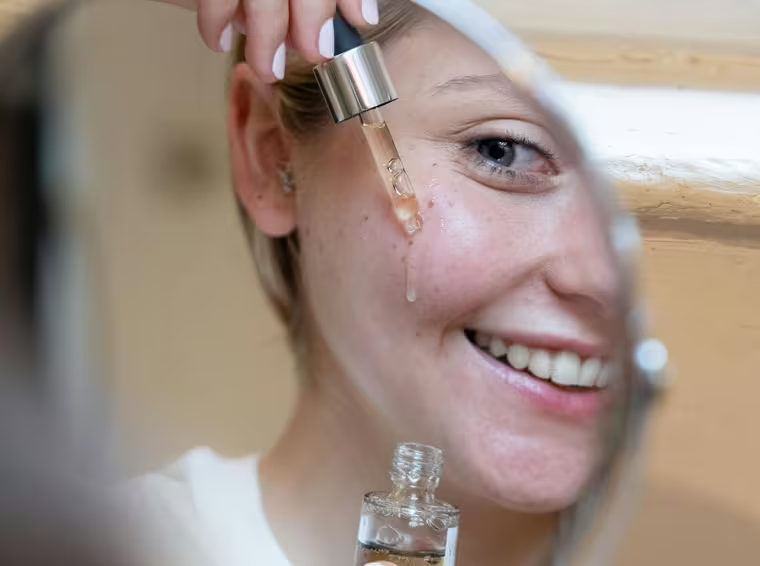


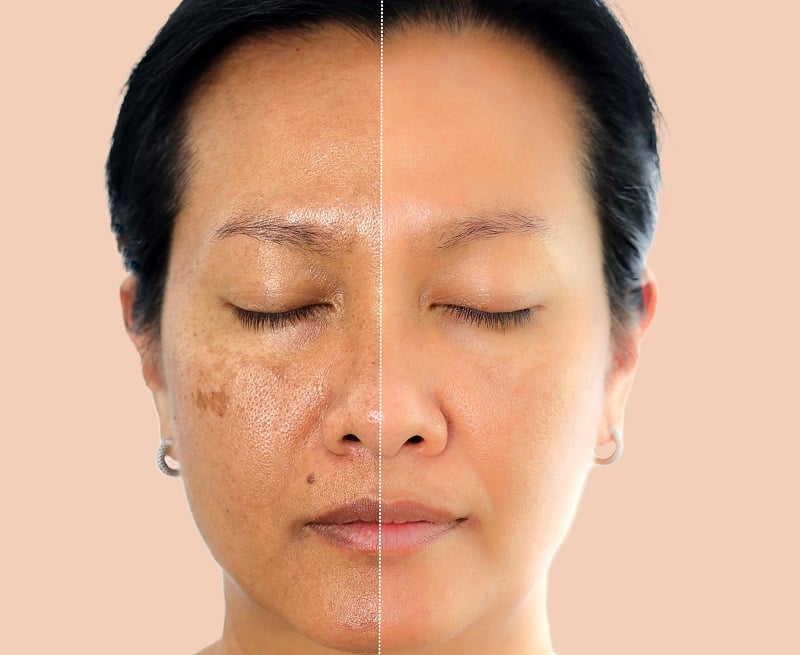
Living in modern cities offers convenience and excitement, but it also exposes your skin to a silent enemy — pollution. From car exhaust and dust to cigarette smoke and industrial emissions, urban environments are filled with microscopic pollutants that cling to your skin, weaken its defenses, and accelerate aging. Over time, this exposure can lead to dullness, irritation, and even premature wrinkles. In this professional guide, we’ll explore how pollution affects your skin and share practical, effective tips to help you protect and maintain a radiant, healthy complexion amidst the city chaos.
How to Protect Your Skin from Urban Pollution
1. Understanding the Impact of Pollution on Skin
Pollution particles are extremely small — often 20 times smaller than the pores on your skin — allowing them to easily penetrate and cause damage. These pollutants generate free radicals, unstable molecules that break down collagen and elastin, the building blocks of firm and youthful skin.
Long-term exposure to pollution can lead to:
-
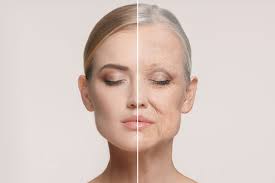
Premature aging: Fine lines and wrinkles form faster.
-
Hyperpigmentation: Dark spots appear as the skin reacts to oxidative stress.
-
Clogged pores and acne: Dirt and toxins mix with sebum, leading to inflammation.
-
Dullness and dehydration: The skin’s natural glow fades due to weakened barrier function.
To maintain healthy skin in an urban setting, prevention and repair must work hand in hand.
2. Step 1: Cleansing — The First Line of Defense
City air is filled with dust and particulate matter that stick to your skin throughout the day. Proper cleansing is the most important step to remove these impurities.
Morning: Use a gentle cleanser to wash off sweat and overnight oil buildup.
Evening: Opt for a double-cleansing routine if you live in a heavily polluted area. Start with an oil-based cleanser to dissolve makeup, sunscreen, and pollutants, then follow with a mild water-based cleanser to remove residue.
Look for ingredients like green tea extract, charcoal, or moringa seed, which help detoxify and purify without stripping your skin’s moisture.
3. Step 2: Strengthen Your Skin Barrier
Your skin barrier acts as a shield against external stressors. When it’s compromised, pollutants can easily penetrate and cause inflammation. Strengthen it with hydrating and barrier-repairing ingredients such as:
-
Ceramides – restore the protective lipid layer.
-
Niacinamide – reduces redness and enhances resilience.
-
Hyaluronic acid – keeps skin hydrated and plump.
Consistency is key. A strong skin barrier is your best natural defense against pollution damage.
4. Step 3: Antioxidants — The Pollution Fighters
Antioxidants are your skin’s superheroes when it comes to pollution defense. They neutralize free radicals and prevent them from damaging skin cells.
Incorporate antioxidant-rich products into your skincare routine:
-
Vitamin C: Brightens skin and protects against oxidative stress.
-
Vitamin E: Moisturizes and enhances the effect of Vitamin C.
-
Green tea extract: Reduces inflammation and prevents environmental damage.
-
Resveratrol: A powerful antioxidant found in grapes and berries that slows aging.
Apply an antioxidant serum every morning before sunscreen for maximum protection.
5. Step 4: Sun Protection — The Ultimate Shield
UV rays and pollution create a dangerous duo that accelerates skin aging. While pollution triggers oxidative stress, UV exposure amplifies its effects.
Always apply a broad-spectrum sunscreen with at least SPF 30 — even on cloudy days or when staying indoors. For city life, choose sunscreens that also contain antioxidants or pollution shields for double protection.
Don’t forget often-missed areas like your neck, ears, and hands, as they show early signs of aging caused by sun and pollution exposure.
6. Step 5: Detox and Repair at Night
Your skin repairs itself while you sleep, making nighttime care essential for those exposed to pollution. After cleansing, use nourishing and restorative products that promote renewal:
-
Sleeping masks with antioxidants or peptides.
-
Facial oils such as argan or rosehip to replenish moisture.
-
Night creams enriched with niacinamide or panthenol to strengthen and soothe.
Consider using a gentle exfoliant once or twice a week to remove buildup and encourage cell renewal. Avoid harsh scrubs — opt for lactic acid or fruit enzymes for mild exfoliation.
7. Step 6: Support Your Skin from Within
Pollution doesn’t only affect the surface — it also impacts your overall health, which reflects on your skin. A nutrient-rich diet can help counteract this.
-
Eat antioxidant foods: Berries, citrus fruits, spinach, and nuts protect your skin at a cellular level.
-
Drink enough water: Hydration flushes out toxins and keeps your skin supple.
-
Limit processed foods and alcohol: They increase inflammation and oxidative stress.
-
Add omega-3 fatty acids: Found in fish and flaxseeds, they strengthen the skin’s lipid barrier.
Healthy skin starts with healthy habits, and nutrition plays a vital role in resilience against environmental damage.
8. Step 7: Create a “Pollution-Free” Home Environment
Even indoors, your skin can face pollutants from dust, smoke, and synthetic materials. To create a cleaner environment:
-
Use air purifiers to reduce airborne toxins.
-
Keep windows closed during high-traffic hours.
-
Add indoor plants such as peace lilies, snake plants, or aloe vera to naturally filter air.
-
Clean pillowcases and bed linens regularly to avoid bacteria buildup.
Your skin spends most of its recovery time at home — make that space clean and supportive for its healing.
9. Step 8: Consistency and Preventive Care
Protecting your skin from pollution isn’t a one-time effort. It’s about creating a consistent, preventive skincare and lifestyle routine. Over time, you’ll notice smoother texture, brighter tone, and reduced sensitivity.
Keep your routine simple but purposeful: cleanse, hydrate, protect, and repair. Avoid overloading your skin with unnecessary products — focus on essentials that strengthen and defend.
Urban life comes with challenges, but your skin doesn’t have to suffer because of it. By understanding how pollution affects your skin and taking proactive steps, you can preserve a youthful, luminous complexion even in the busiest cities.
A disciplined skincare routine, antioxidant-rich diet, and mindful living can help your skin stay resilient against daily environmental stress. Remember — pollution may be inevitable, but skin damage isn’t. With consistent care, you can face the city every day with confidence and a radiant, healthy glow.