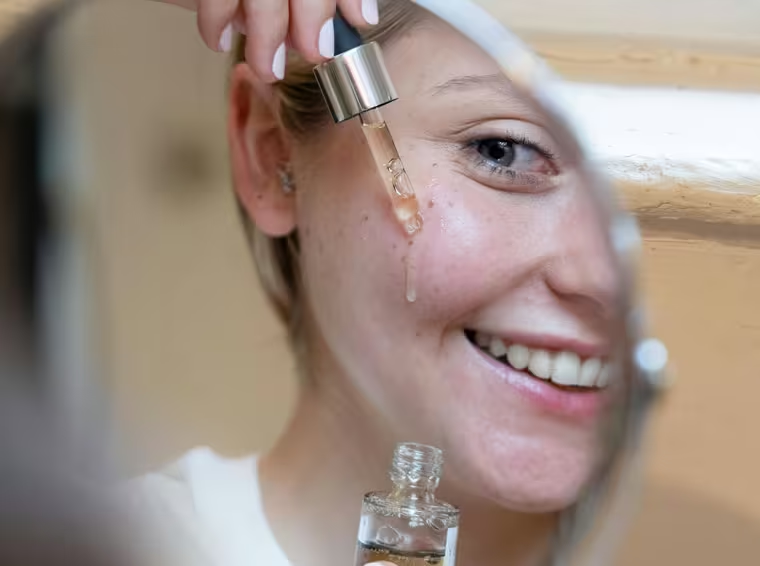


The phrase “beauty sleep” is often used casually, but science shows it is far from a myth. Sleep plays a crucial role in maintaining not just overall health but also skin vitality, hair strength, and natural radiance. While creams and treatments can help, nothing replaces the restorative power of a good night’s sleep. In today’s fast-paced world, where stress and long hours are common, prioritizing rest can truly be your best-kept beauty secret.
1. The Science Behind Beauty Sleep
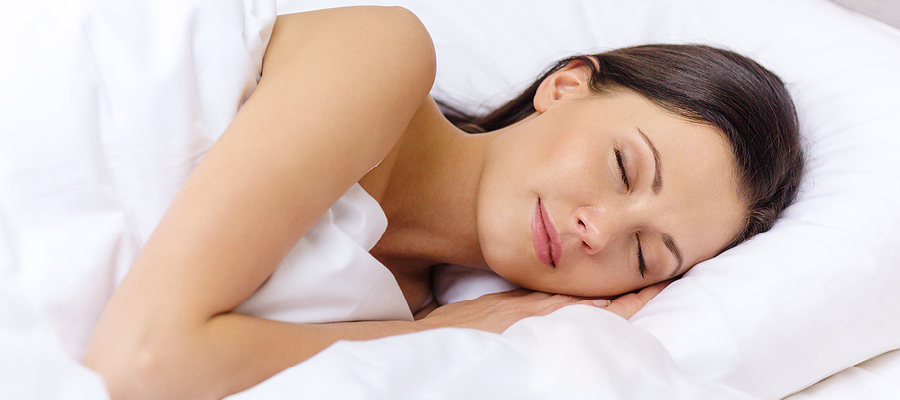
When you sleep, your body enters repair mode. Blood flow to the skin increases, collagen production rises, and cells regenerate at a faster pace compared to when you are awake. This process reduces the appearance of fine lines, maintains skin elasticity, and helps wounds or blemishes heal more quickly. Without sufficient rest, this cycle is interrupted, leaving your skin looking dull, tired, and older than it really is.
Research also suggests that people who sleep well are perceived as healthier and more attractive. Lack of sleep, on the other hand, often leads to pale skin, drooping eyelids, and dark under-eye circles—all of which can affect your confidence and appearance.
2. How Sleep Affects Skin Health
Collagen Production
Collagen is the protein that keeps skin firm and youthful. During deep sleep, collagen synthesis increases, which minimizes wrinkles and sagging. Chronic sleep deprivation reduces collagen levels, accelerating visible aging.
Hydration Balance
While you sleep, your body regulates moisture levels in the skin. Insufficient rest disrupts this balance, leaving skin dry, flaky, or puffy. This is why even the best moisturizer cannot fully compensate for lack of sleep.
Reduced Inflammation
Sleep also lowers cortisol, the stress hormone. High cortisol levels can trigger acne, eczema, and other skin conditions. Quality rest helps reduce inflammation, resulting in clearer, calmer skin.
3. The Impact on the Eyes
One of the first areas to reveal poor sleep is the delicate skin around the eyes. Inadequate rest causes blood vessels to dilate, leading to dark circles and puffiness. Fluid can also accumulate under the eyes, creating bags that make you look tired.
Simple fixes include:
-
Elevating your head slightly with an extra pillow to reduce fluid buildup.
-
Using chilled cucumber slices or cooled green tea bags to soothe puffiness in the morning.
-
Ensuring at least seven hours of sleep consistently.
4. Beauty Sleep and Hair Health
Your hair, like your skin, benefits from quality sleep. Hair follicles gain essential nutrients and hormones during rest, supporting growth and strength. Poor sleep disrupts this cycle, leading to thinning, dullness, or even hair loss over time.
In addition, stress and fatigue weaken keratin production, which is vital for shiny, resilient hair. By prioritizing rest, you provide your hair with the foundation it needs to thrive naturally.
5. Nighttime Beauty Boosters
Sleep is the perfect opportunity to maximize the benefits of skincare products. At night, skin permeability increases, meaning it absorbs active ingredients more effectively. This is why many dermatologists recommend using richer treatments in the evening.
Recommended nighttime practices:
-
Apply a nourishing night cream with peptides or ceramides.
-
Use a hydrating serum with hyaluronic acid to combat dryness.
-
Try a gentle retinol product to boost cell turnover and reduce fine lines.
-
Consider an overnight mask once or twice a week for extra rejuvenation.
Additionally, switching to a silk or satin pillowcase minimizes friction, reducing hair breakage and preventing sleep lines on your face.
6. Lifestyle Habits That Support Beauty Sleep
Getting enough rest is not always easy, but developing consistent bedtime habits can make a big difference.
-
Set a routine: Go to bed and wake up at the same time daily to regulate your internal clock.
-
Limit screen time: Blue light from devices disrupts melatonin production, making it harder to fall asleep. Try avoiding screens at least one hour before bed.
-
Create a calming environment: A dark, cool, and quiet bedroom promotes deeper sleep. Consider blackout curtains or white-noise machines if needed.
-
Watch your diet: Avoid caffeine and heavy meals close to bedtime. Herbal teas, like chamomile, may help you relax.
-
Practice relaxation techniques: Gentle stretching, meditation, or reading can prepare your mind and body for rest.
7. Signs You’re Not Getting Enough Sleep
If you’re wondering whether your skin and hair are suffering from lack of sleep, watch for these common signs:
-
Persistent dark circles or puffy eyes.
-
Dull, uneven skin tone.
-
Increased breakouts or skin irritation.
-
Fine lines that appear more pronounced.
-
Brittle, lifeless hair with more shedding than usual.
If these symptoms are frequent, improving your sleep quality should be a priority in your beauty routine.
Conclusion
In a world filled with beauty products, treatments, and cosmetic solutions, the simplest secret to glowing skin and healthy hair is often overlooked: sleep. A consistent seven to eight hours of quality rest allows your body to repair itself naturally, reducing signs of aging, restoring hydration, and supporting hair growth. By combining a healthy sleep schedule with an effective nighttime skincare routine, you can maximize your natural beauty effortlessly.
Remember: beauty does not only come from what you apply externally but also from how well you care for your body internally. Investing in rest is investing in lasting radiance.