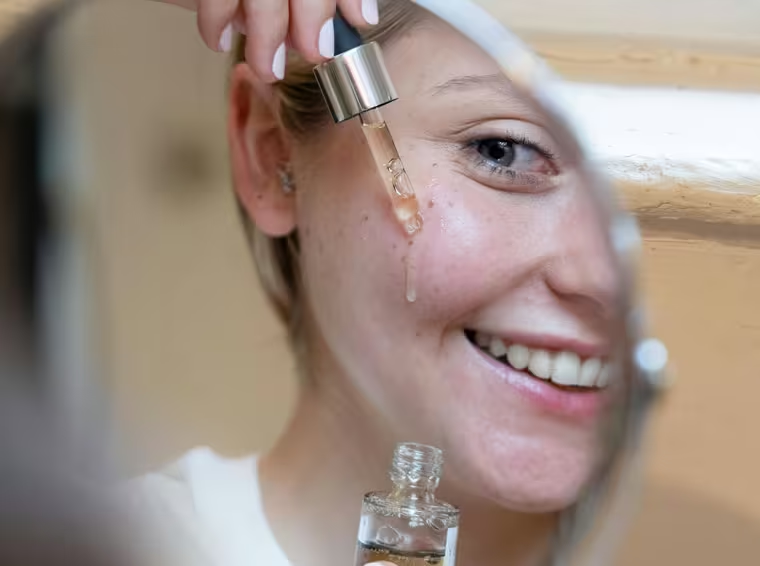


Healthy skin and a healthy body are built from the inside out. While skincare products can improve the appearance of your complexion, your daily food choices have an equally important impact on how your skin looks and how efficiently your body manages weight. A balanced diet rich in vitamins, minerals, antioxidants, healthy fats, lean protein, and fibre provides the foundation for glowing skin, stable energy levels, and sustainable weight management.
Many modern diets are filled with highly processed foods, refined sugars, and unhealthy fats that may contribute to inflammation, dull skin, and unwanted weight gain. Replacing these foods with nutrient-dense alternatives allows your body to function at its best while naturally enhancing your appearance.
The secret is not following extreme diets but developing long-term eating habits that nourish every cell in your body.
Why Nutrition Matters for Skin Health
The skin is the body’s largest organ and requires a continuous supply of nutrients to repair damage, produce collagen, regulate oil production, and maintain its protective barrier.
Every day, skin cells are replaced through a natural renewal process. Without sufficient vitamins, minerals, and protein, this process becomes less efficient, leading to dryness, slower healing, reduced elasticity, and a tired-looking complexion.
Antioxidants found in fruits and vegetables help protect skin from free radicals caused by pollution, ultraviolet radiation, and normal metabolic activity. At the same time, healthy fats maintain skin hydration, while protein supplies the building blocks needed for collagen production.
A nutrient-rich diet supports healthier skin from within while complementing a consistent skincare routine.

Lean Protein Supports Beauty and Fitness
Protein is essential for maintaining muscle mass, supporting tissue repair, and producing collagen, elastin, and keratin. These structural proteins contribute to healthy skin, strong hair, and resilient nails.
Excellent protein sources include chicken, turkey, fish, eggs, Greek yoghurt, cottage cheese, tofu, beans, lentils, and lean cuts of beef.
For individuals pursuing healthy weight loss, protein also increases satiety, helping reduce unnecessary snacking while preserving lean muscle during calorie reduction.
Including protein with every meal helps stabilise appetite and supports long-term metabolic health.
Healthy Fats Nourish the Skin
Many people mistakenly believe that all fats should be avoided when trying to lose weight. In reality, healthy fats play a critical role in maintaining overall wellness.
Omega-3 fatty acids found in salmon, sardines, walnuts, flaxseeds, and chia seeds help reduce inflammation while supporting healthy skin hydration.
Monounsaturated fats from avocados, almonds, olive oil, and peanuts strengthen the skin barrier and contribute to normal hormone production.
Because healthy fats increase meal satisfaction, they also help reduce cravings and support sustainable eating habits.
Fruits Rich in Antioxidants
Fresh fruit provides natural sweetness alongside valuable vitamins, fibre, and antioxidants.
Blueberries, strawberries, raspberries, and blackberries contain compounds that help protect collagen from oxidative damage. Citrus fruits such as oranges, lemons, and grapefruit supply abundant vitamin C, which plays an essential role in collagen synthesis.
Papaya, kiwi, mango, and pineapple also provide vitamins that support healthy skin renewal while satisfying sweet cravings without relying on refined desserts.
Choosing whole fruit instead of sugary snacks helps reduce calorie intake while improving nutritional quality.
Read more: Hydration and Beauty: Why Drinking More Water Supports Healthy Skin and Weight Loss
Vegetables That Promote Healthy Skin
Vegetables deliver an impressive combination of vitamins, minerals, fibre, and phytonutrients with relatively few calories.
Leafy greens such as spinach and kale contain vitamins A, C, and K, which support skin regeneration and circulation. Carrots and sweet potatoes provide beta-carotene, a precursor to vitamin A that contributes to healthy skin cell turnover.
Broccoli, bell peppers, cucumbers, and tomatoes also supply antioxidants that defend against environmental damage while supporting immune function.
Filling half your plate with vegetables at each meal naturally increases nutrient intake while supporting weight management.
Whole Grains for Stable Energy
Whole grains provide complex carbohydrates that release energy gradually throughout the day. Unlike refined grains, they help maintain stable blood sugar levels, reducing hunger and energy crashes.
Oats, brown rice, quinoa, barley, and whole wheat products also contain fibre, which promotes digestive health and supports feelings of fullness.
Stable blood sugar levels contribute not only to better weight control but also to healthier skin by reducing excessive insulin spikes that may influence oil production in some individuals.
The Importance of Hydration
Water supports every major function in the body, including nutrient transport, temperature regulation, circulation, and skin hydration.
Although drinking water will not erase wrinkles overnight, proper hydration helps maintain skin elasticity and allows cells to function efficiently.
Foods with naturally high water content, including watermelon, cucumbers, celery, tomatoes, oranges, and lettuce, further contribute to hydration while providing additional vitamins and minerals.
Replacing sugary beverages with water remains one of the simplest ways to reduce unnecessary calorie intake.
Foods to Limit for Better Skin
While no single food directly causes skin problems in every individual, diets high in processed foods, excessive sugar, and trans fats may increase inflammation throughout the body.
Frequent consumption of sweets, sugary drinks, refined baked goods, and heavily processed snacks may contribute to unstable blood sugar levels and reduced nutritional quality.
Highly processed meals often contain excessive sodium, which may encourage temporary water retention and leave the skin appearing puffy.
Focusing on moderation rather than complete restriction creates a healthier and more sustainable relationship with food.
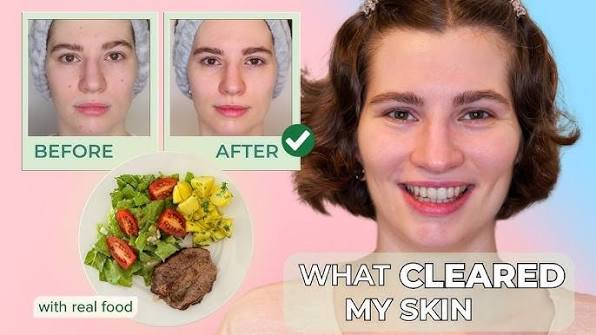
Lifestyle Habits That Maximise Results
Nutrition works best when combined with healthy daily habits.
Regular physical activity improves circulation, delivering oxygen and nutrients to skin cells while supporting calorie expenditure. Strength training preserves muscle mass, and cardiovascular exercise promotes heart health and endurance.
Quality sleep allows the body to repair tissues and produce collagen, while stress management helps regulate hormones that influence both skin condition and appetite.
Consistent skincare, including gentle cleansing, moisturising, and daily sunscreen application, protects the skin from environmental damage and complements healthy nutrition.
Long-Term Success Through Consistency
Many people become discouraged because they expect immediate results from dietary changes. In reality, healthier skin and sustainable weight loss develop gradually through consistent habits.
Small improvements—such as drinking more water, eating more vegetables, replacing processed snacks with whole foods, and staying active—create meaningful changes over time.
Rather than focusing on temporary diets, building lifelong nutritional habits offers lasting benefits for appearance, energy, and overall well-being.
Read more: The Role of Sleep in Healthy Skin, Weight Loss, and Overall Wellness
Conclusion
The foods you eat every day directly influence your skin, metabolism, and long-term health. A balanced diet rich in lean protein, colourful fruits, vegetables, healthy fats, whole grains, and adequate hydration provides the nutrients necessary for glowing skin and sustainable weight management.
When healthy eating is combined with regular exercise, quality sleep, stress management, and an effective skincare routine, your body has everything it needs to thrive. Beautiful skin is not created by one product or one meal—it is the result of consistent, healthy choices that nourish your body from the inside out.