

When discussing beauty, skincare, and weight management, most people immediately think about skincare products, healthy diets, or exercise routines. However, one of the most powerful health habits is often overlooked: quality sleep. Sleep is far more than a period of rest. It is an essential biological process during which the body repairs tissues, balances hormones, restores energy, and regenerates skin cells.
Poor sleep affects nearly every system in the body. It can accelerate skin ageing, increase appetite, reduce metabolism, impair concentration, and weaken the immune system. In contrast, getting sufficient high-quality sleep every night supports glowing skin, healthy weight management, improved mood, and long-term physical health.
Understanding the connection between sleep and beauty may be the missing piece in achieving lasting wellness.
Why Sleep Is Essential for Skin Health
During sleep, the body enters a restorative state that allows damaged tissues to repair themselves. Skin cells regenerate more efficiently at night than during the day because the body can focus its energy on recovery rather than responding to environmental stress.
Collagen production also increases during deep sleep. Collagen is responsible for maintaining skin firmness, elasticity, and strength. As collagen production naturally declines with age, protecting your sleep becomes increasingly important for maintaining youthful-looking skin.
Blood flow to the skin also improves during the night, allowing oxygen and nutrients to nourish skin cells while removing waste products. This process contributes to a healthier complexion and a natural glow.
People who consistently sleep well often notice smoother skin, fewer signs of fatigue, and improved recovery from minor skin irritation.

How Lack of Sleep Accelerates Skin Ageing
Sleep deprivation affects the skin in numerous ways. Elevated stress hormones increase inflammation throughout the body, potentially worsening acne, eczema, and other inflammatory skin conditions.
Insufficient sleep also reduces collagen production, making fine lines and wrinkles appear more noticeable over time. Skin may become drier, less elastic, and slower to heal from environmental damage.
Dark circles and puffiness around the eyes are among the earliest visible signs of inadequate sleep. These changes occur because poor circulation and fluid retention become more noticeable when the body has not had sufficient time to recover overnight.
Over months or years, chronic sleep deprivation may contribute significantly to premature ageing.
Sleep and Weight Loss Are Closely Connected
Healthy weight management depends on much more than exercise and calorie intake. Sleep directly influences hormones that regulate hunger, appetite, and metabolism.
When sleep duration decreases, levels of ghrelin—the hormone that stimulates hunger—tend to increase. At the same time, leptin, the hormone responsible for signalling fullness, often decreases.
This hormonal imbalance makes people feel hungrier while reducing satisfaction after meals. As a result, individuals who regularly sleep too little often consume more calories, especially from sugary and highly processed foods.
Fatigue also reduces motivation to exercise and makes healthy food choices more difficult, creating a cycle that may contribute to gradual weight gain.
Sleep Supports Healthy Metabolism
Metabolism refers to the body’s ability to convert food into energy. During healthy sleep, numerous metabolic processes become regulated, including blood sugar control and hormone balance.
Poor sleep has been associated with reduced insulin sensitivity, making it more difficult for the body to regulate glucose efficiently. Over time, this may contribute to increased fat storage and greater difficulty maintaining a healthy body weight.
Although sleep alone will not cause weight loss, it creates the optimal environment for healthy nutrition and physical activity to produce better long-term results.
Read more: How to Build a Morning Routine for Glowing Skin, Faster Metabolism, and Better Health
The Relationship Between Stress and Sleep
Stress and sleep influence one another continuously. High stress levels make it harder to fall asleep, while inadequate sleep increases emotional sensitivity and daily stress.
Chronic elevation of cortisol, the body’s primary stress hormone, may increase inflammation, stimulate oil production, and encourage abdominal fat storage.
Learning healthy stress management techniques therefore benefits both sleep quality and physical appearance.
Simple activities such as meditation, reading, deep breathing exercises, journaling, or taking a short evening walk may help prepare the mind for restful sleep.
Evening Habits That Improve Sleep Quality
Developing a consistent evening routine allows the body to recognise when it is time to relax.
Reducing exposure to bright screens one hour before bedtime helps maintain natural melatonin production. This hormone regulates the sleep-wake cycle and encourages restful sleep.
Avoiding large meals, excessive caffeine, alcohol, and vigorous exercise immediately before bed may also improve sleep quality.
Creating a cool, quiet, and dark bedroom environment supports uninterrupted sleep while encouraging deeper restorative phases.
Many people also benefit from reading a book, stretching gently, or practising mindfulness before going to bed.
Nutrition for Better Sleep and Healthier Skin
Certain foods naturally support restful sleep while contributing valuable nutrients for skin health.
Magnesium-rich foods such as spinach, almonds, pumpkin seeds, and bananas help relax muscles and support normal nervous system function.
Protein-rich foods provide amino acids necessary for tissue repair and collagen production. Healthy fats from salmon, walnuts, and flaxseeds contribute to both brain health and skin hydration.
Remaining well hydrated throughout the day also supports healthy circulation and skin function, although limiting excessive fluids immediately before bedtime may reduce sleep interruptions.

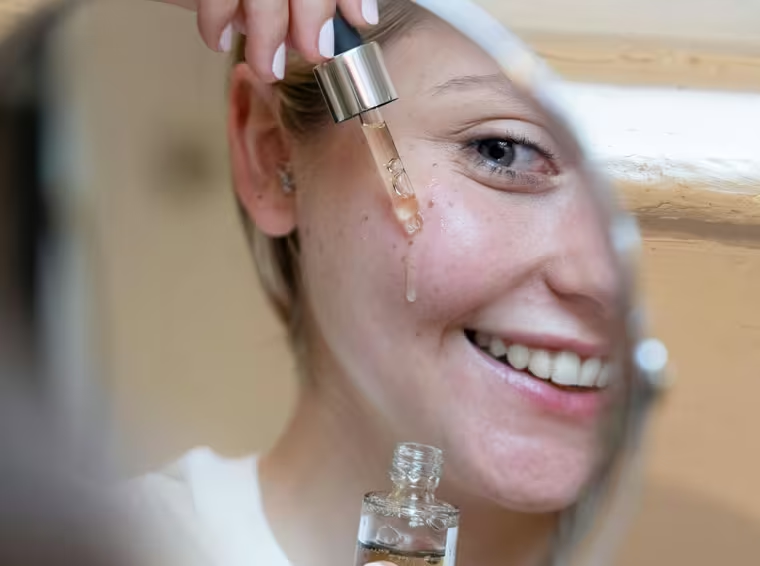
Build a Nighttime Skincare Routine
Evening is the ideal time to support your skin with nourishing skincare products because the body naturally focuses on repair overnight.
Begin by thoroughly removing sunscreen, makeup, and impurities with a gentle cleanser. Follow with a moisturiser to maintain hydration while sleeping.
Ingredients such as retinol, peptides, ceramides, niacinamide, and hyaluronic acid are commonly used during nighttime skincare because they support skin renewal and moisture retention.
Consistency is more important than complexity. A simple routine performed every evening often delivers better long-term results than constantly changing products.
Make Sleep a Daily Priority
Adults generally require between seven and nine hours of quality sleep each night. While occasional late nights are unavoidable, establishing consistent sleep habits provides long-term benefits for both health and appearance.
Going to bed and waking up at similar times every day helps regulate your internal clock, making it easier to fall asleep naturally and wake feeling refreshed.
Combined with balanced nutrition, regular exercise, hydration, and effective skincare, quality sleep becomes one of the most valuable investments you can make in your overall well-being.
Read more: Superfoods for Glowing Skin and Healthy Weight Loss: A Complete Nutrition Guide
Conclusion
Healthy skin, successful weight management, and lasting wellness all begin with quality sleep. During sleep, the body repairs damaged tissues, produces collagen, balances hormones, regulates metabolism, and restores energy for the day ahead.
Rather than viewing sleep as time lost, consider it one of the most effective beauty and health treatments available. By protecting your nightly rest and combining it with nutritious food, regular exercise, hydration, and a consistent skincare routine, you create the ideal conditions for radiant skin, a healthier body, and improved quality of life for years to come.